Loc hair extensions + Knotless Braids aftercare: what to do in the first 2 weeks
By AFRICAN NUBIAN | August 19, 2026
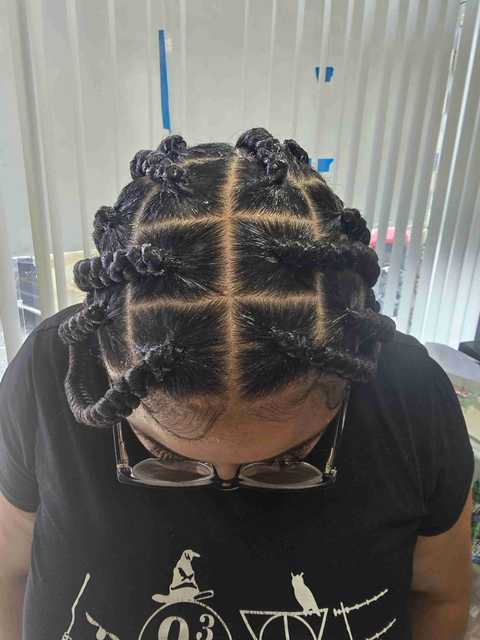
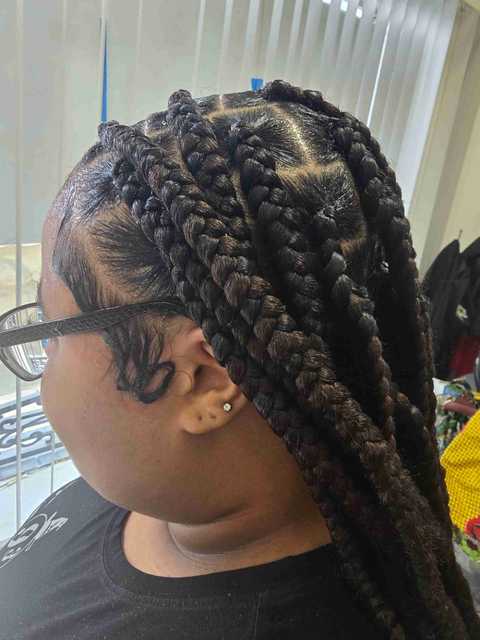
Knotless Braids (180 minutes | $220) are a tension-free version of box braids designed to feel lightweight and look natural.
One of the things people mention after sitting with us is how pleasant the atmosphere feels while we work, and that calm start matters for aftercare too. Your most important rule for the first two weeks is simple: don’t wash or heavily manipulate your knotless braids for the first 24 to 48 hours. Give your scalp time to settle, keep friction low, and you’ll protect that neat, clean-part look that makes african hair braiding worth it in the first place.
0–48 hours: lock in the neat parts (and stop frizz before it starts)
Right after installation, your braids are at their freshest and your scalp is the most reactive. We generally recommend treating the first 48 hours like a “settling period.” You don’t need a long routine. You need a careful one.
First 48 hours, keep it simple: no washing, no heavy edge control, no tight ponytails, and no constant pulling braids forward and back to restyle.
Sleep setup that actually helps
Sleep is where friction sneaks in. Wrap with a satin scarf or bonnet. Then put your braids into a loose pineapple or a low, loose bun. If you wake up with frizz at the crown in St. Louis humidity, it usually traces back to rubbing on cotton pillowcases or sleeping with braids loose and moving all night.
Scalp care without buildup
If your scalp feels dry or a little itchy, stick to a lightweight oil or a light leave-in scalp spray about twice a week. Aim for the parts, not the braid hair. Heavy creams tend to sit at the base and create buildup fast, especially when you’re sweating in summer heat.
Days 3–7: manage sweat, keep edges calm, and don’t over-style
This is the week where people in St. Louis start testing their braids at the gym, at outdoor events, and in that sticky humidity. Your goal is to keep your scalp clean and dry enough that your braids stay neat and uniform.
If you work out or sweat heavily
You can exercise. Just plan the after. Tie braids up loosely so they’re not rubbing your neck. After your workout, blot your scalp with a clean towel (don’t scrub), and let your scalp dry completely. A cool blow-dryer setting helps when the weather is humid and air-drying takes forever. Damp roots are where odor and frizz start.
Edge protection that keeps knotless braids “tension-free”
Knotless braids are known for feeling lighter than traditional box braids, but edges still need respect. Skip tight ponytails. Keep buns low and loose. Use minimal edge control, and only when you need it. If you have thinning edges, this matters even more. We’ve had first-time braid clients tell us they were impressed with how we covered thinning edges, and your aftercare keeps that coverage looking clean instead of stressed.
What to avoid this week
- Picking at your parts (it creates fuzz at the base fast).
- Layering oils, creams, and gels together (that’s a buildup recipe).
- Constant restyling. The more you pull and re-tie, the sooner you’ll see frizz.
Week 2+: the first gentle wash (diluted shampoo, dry all the way)
After 1 to 2 weeks, most people are ready to wash, especially if you’ve been sweating or spending time outside. The key is to clean the scalp without roughing up the braid hair.
Our simple wash method (braid-friendly)
- Dilute shampoo with water in an applicator bottle.
- Apply only to the scalp and parts. Use your fingertips, not your nails.
- Rinse by letting water run in the direction of the braids. Don’t pile braids on top of your head and scrub.
- Dry completely. Towel-squeeze, then use a hooded dryer or blow-dryer on cool to low if needed.
Drying is the part people rush, and in St. Louis summer humidity it takes longer than you think. If your roots stay damp, braids can start smelling musty and the base can puff up. Give yourself the time.
Pool days + vacations: chlorine and saltwater rules for hair extensions
Yes, you can swim with knotless braids. We just want you to protect the braid hair (including human hair braiding extensions when you’re using them) and keep the scalp from staying wet for hours.
Before you get in the water
- Rinse hair with clean water first if you can. Braids that are already wet soak up less pool water.
- Put braids in a low bun or two loose braids. Keep tension off the hairline.
Right after swimming
- Rinse thoroughly and squeeze out water (don’t twist hard).
- If you need to cleanse, keep it scalp-focused and gentle, like the diluted shampoo method above.
- Dry the roots fully. This is non-negotiable if you want to avoid frizz and odor.
A lot of people book braids for summer plans because braids and box braids hold up when the weather is hot. Aftercare is what keeps them photo-ready the whole trip.
If something feels off: when to reach out (and how we’ll help)
A little tightness on day one can happen, but you should not be miserable. If you’re having headaches, sharp pulling at the hairline, bumps that are getting worse, or any lasting soreness, let us know. We take tension seriously. Knotless braids are meant to be a more comfortable option compared to traditional box braids, and we want your install to feel that way.
“I called Fatu last minute. She was able to get me in day of. She did an excellent job. My head was not sore or in pain.”
one of our regulars
Need style ideas next? If you’re deciding between knotless braids, box braids box braids, or another look that fits the season, take a look at what to expect for first-time knotless braids in St. Louis, the benefits of knotless braids for edges, and our St. Louis summer braids style guide.
When you’re ready for a refresh or your next install, we’ll talk through the size, length, and how active you are so your hair extensions fit your life, not the other way around.
AFRICAN NUBIAN | 7281 Natural Bridge Rd, St. Louis, MO 63121-5045
Call: +13143899100 | Email: fatoubambio@gmail.com