Tape weave extensions and your first Knotless Braids: what to expect
By AFRICAN NUBIAN | August 7, 2026
"The best Africans shop I went to been comin here for 10 years and goin to keep comin back🥰🥰🥰" is the kind of thing we hear a lot, and if you’re nervous for your first knotless appointment, that should help. First-time jitters are normal. You’re trusting someone with your scalp, your edges, and hours of your day. Knotless braids are a lower-tension protective style, so the experience is usually straightforward: plan for a multi-hour install (often 3–6+ hours), expect mild scalp sensitivity for the first 24–48 hours, and keep aftercare simple with light moisture, satin protection at night, and gentle edge care.
In this guide, we’ll walk you through how to prep, what actually happens while we’re braiding, how to speak up about tension, and how to keep your knotless looking neat through St. Louis heat and humidity. We’ll also answer the quick questions we hear all the time, including washing timing, working out, and what to bring so you’re comfortable.
Before you sit down: 6 prep moves that make knotless easier
The best prep is boring, and it works. Come with hair that’s washed, fully detangled, and dry. Skip heavy oils the day of. They can make it harder to grip clean parts, and they tend to trap sweat once you step back outside into St. Louis humidity.
Bring a reference photo. One first-time visitor told us she showed a picture and we matched it closely, and that’s exactly how we like to start. A photo keeps the conversation clear on size, length, and parting.
Also, plan your day like it’s a real appointment, because it is. Knotless braids are hand work. We’ve had clients share timelines like arriving around late morning and being done in about 4 hours for micro braids, and we’ve also seen small bobo knotless take around 6 hours. Your exact time depends on braid size, length, and how much hair we’re adding.
- Eat first, then bring water and a snack. It’s easier to relax when you’re not hungry.
- Bring a phone charger and something quiet to do.
- If you have thinning edges or sensitive spots, tell us right away so we can protect those areas while we part and braid.
During your knotless appointment: parts, tension checks, and real timing
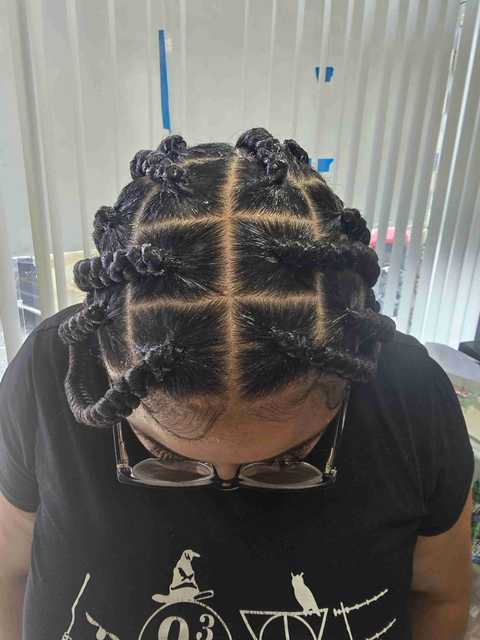
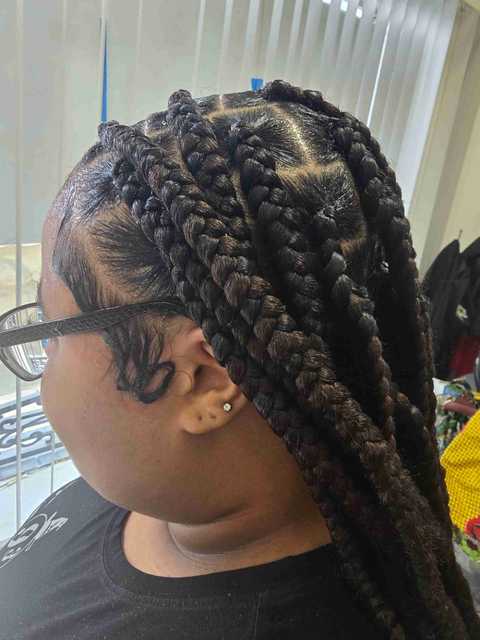
When you arrive, we’ll confirm the braid size and the look you want. Knotless braids start with clean sections and consistent parts. People mention our work being “neat, ” “uniform, ” and “clean parts, ” and that detail is what keeps knotless looking fresh as the weeks go on.
Then we start braiding. Knotless is known for a more natural, lightweight feel because we feed the hair in, instead of anchoring a heavy knot at the root. You’ll feel gentle pulling as we work, but you should not feel sharp pain. Speak up early. If anything feels too tight, say it in the moment so we can adjust. One reviewer loved the quality and neatness but also mentioned their braids felt tight, and we take that seriously. Tension should be checked and corrected while it’s happening, not after you’ve sat through it.
Comfort tip: If you know St. Louis traffic gets you stressed, give yourself buffer time. A calm arrival helps. Some clients plan their braid day around downtown meetings or after a Central West End or Tower Grove event, so they’re not rushing into the chair.
We also move with purpose. People regularly call us fast, punctual, and efficient without giving up quality. You might even notice more than one set of hands at certain points if we’re finishing length or sealing ends, since teamwork can cut time down without changing the look.
"Got me in and out in a few hours. Very reasonable prices. My braider Antoinette didn’t even take a break. I’m a new long time customer now"
, a recent first-time visitor
The first 72 hours: washing, itching, and keeping edges calm
Right after your install, it’s normal to feel mild scalp sensitivity for a day or two. That’s especially true if you’re new to braids or you’ve had tension issues in the past. The goal is comfort plus longevity. We love hearing “my braids last” and “never disappoint, ” and that usually comes down to two things: neat work in the chair and gentle maintenance at home.
Washing timing: We generally recommend waiting 48 to 72 hours before your first wash so your scalp settles and the style sets.
When you do wash, focus on your scalp. Use gentle, diluted cleanser and let the suds run through the braids. Don’t pile everything on top of your head and scrub hard. Keep moisture lightweight. A little scalp oil or braid spray is fine, but heavy grease plus St. Louis summer humidity tends to feel sticky fast.
Sleep matters too. Wrap with a satin scarf or use a satin bonnet every night. It reduces frizz and keeps your edges from getting rubbed down. And if you want your knotless to stay photo-ready, keep your hands off your scalp. Scratching can rough up parts and create early fuzz.
St. Louis summer rules: workouts, swimming, and sweat-proof braid habits
Yes, you can work out with knotless braids. You can also swim. The key is what you do right after. Sweat and humidity are the real test in St. Louis, especially when you’re outside for festivals and events. As soon as you can, dry your scalp. A clean towel and a cool blow-dry at the roots helps keep that damp, itchy feeling away.
Quick post-workout routine (5 minutes)
- Blot your scalp and hairline to remove sweat.
- If you need it, use a light, water-based scalp refresher, not heavy oil.
- Tie your braids down with a scarf for 10 to 15 minutes to re-smooth the top.
If you’re sensitive to heat: Ask us about keeping the install lightweight. Many people feel better with a manageable hair weight and a length that doesn’t sit heavy on the neck.
If you want style inspo that holds up in the heat, browse our braid ideas in the ultimate guide to braids for St. Louis summer and our roundup of trending braids styles for summer. And if you’re choosing knotless specifically to protect your hairline, read knotless braids benefits for edges before you book.
The little things that make first-timers become regulars at AFRICAN NUBIAN
AFRICAN NUBIAN has been braiding in St. Louis for 25 years, and you don’t stay busy that long by making people feel unsure in the chair. The pattern we hear again and again is simple: neat work, kind energy, and results that last. People talk about coming back for years, bringing their daughters, and walking out feeling brand new. One client even told us her husband knows it’s braid day because that’s when she takes the most selfies.
If you’re deciding between knotless braids and something like a weave pony, curly ponytail weave, fusion hair weave, or a straight ponytail weave, ask yourself what your summer needs are. Knotless is usually the move when you want low tension and low daily styling. A ponytail weave is great for quick styling impact, but it’s not the same kind of protective, leave-it-alone wear.
Ready for your first install? Call ahead so we can confirm the appointment length for your braid size and make sure the right stylist availability is set up. You can also ask us about the $220 knotless braids service and what hair weight makes sense for summer comfort.
Visit us at 7281 Natural Bridge Rd, St. Louis, MO 63121-5045 | Call +13143899100 | Email fatoubambio@gmail.com