Knotless Braids Lifespan: 4–8 Weeks You Can Expect + 8 Care Steps (and yes, twist to dreads questions too)
By AFRICAN NUBIAN | August 21, 2026
Address: 7281 Natural Bridge Rd, St. Louis, MO 63121-5045 | Call: +13143899100 | Email: fatoubambio@gmail.com
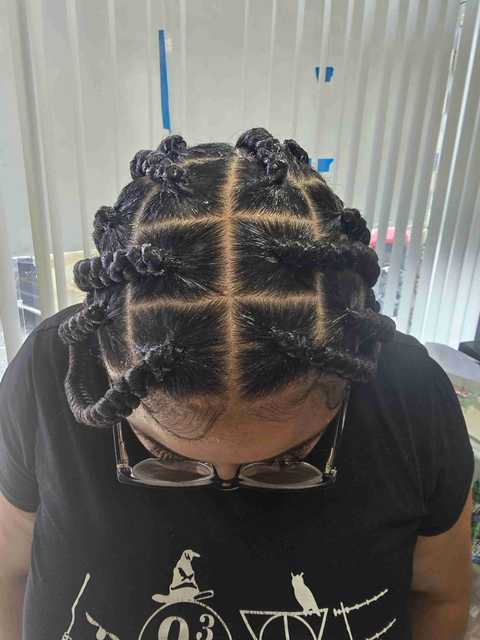
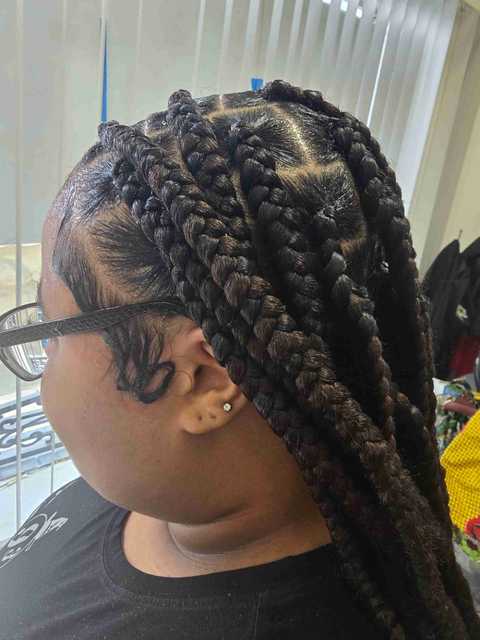
We hear it every week in St. Louis: you want braids that look neat, feel light, and don’t have you counting down the days until take-down. Knotless Braids typically last 4–8 weeks. The real number depends on your new growth, scalp oil, how much you sweat, and how you protect your hair at night. And yes, we’re big on attention to detail, because clean parts and a solid root base are what keep braids looking fresh week after week.
The week-by-week Knotless Braids timeline (what changes after week 3)
Here’s the honest timeline we see most often with Knotless Braids when they’re installed well and you keep up with basic care.
- Weeks 1–2: Fresh, neat, and usually the least frizz. Your scalp is adjusting, so keep product light.
- Weeks 3–5: This is normal wear. The braids still look good, but roots start to show. Edges need gentler handling now.
- Weeks 6–8: Loosening and frizz are more visible, especially around your hairline and crown. This is when we talk refresh or removal to avoid breakage.
St. Louis weather plays a real role. Summer heat and humidity can puff up the base faster, especially if you’re doing outdoor events, festivals, or you’re in and out of the sun all day. Sweat plus friction is what makes braids look older sooner. A quick-dry routine helps a lot, even if you’re washing lightly.
And if you’re comparing braids and box braids, knotless tends to feel lighter at the root. That tension-free start is a big reason many people choose knotless over traditional box braids box braids when their scalp is sensitive.
8 care steps that keep Knotless Braids neat through week 6 (and sometimes week 8)
Our team works fast, but we don’t rush the details. Clients notice the difference in neatness and uniformity, and that foundation matters for longevity. Here are the steps we recommend if you want your african hair braiding to stay clean-looking longer.
- Use a satin bonnet or scarf every night. This is the easiest way to cut frizz. Cotton pillowcases steal moisture and create friction.
- Clean your scalp every 1–2 weeks. Use a diluted shampoo on the scalp only, then rinse well. If you hate full washes, a dry-shampoo style scalp cleanser works too.
- Dry your scalp quickly after washing or sweating. In St. Louis humidity, staying damp can lead to itch and buildup. A cool blow-dry at the roots usually helps.
- Use a light scalp spray for itch. Think spray, not heavy grease. Heavy products grab lint and make the roots look older faster.
- Moisturize the lengths with an oil-in-water product. A little goes a long way. Focus on your natural hair inside the braid and your ends.
- Keep edges hands-off. Too much brushing, tight ponytails, and constant edge control can stress the hairline, especially after week 3.
- Style low-tension most days. Buns and high ponies look great, but rotate styles so the same areas aren’t pulling daily.
- Do a small refresh instead of re-tightening everything. If a few braids slip or loosen, we’ll fix those sections. Re-tightening the full hairline over and over is where damage can sneak in.
"My head was not sore or in pain."
one of our first-time clients
Roots loosening too soon? These 5 causes show up the most
If your knotless roots are getting fuzzy fast, it’s usually not one big thing. It’s a few small habits stacking up.
Quick reality check: Poor root install, heavy product buildup, frequent friction (hoodies, car headrests), sweat and humidity, and starting with hair that wasn’t properly prepped can all shorten wear.
We’re also honest about tension. One reviewer mentioned the braids can feel tight sometimes, and we take that seriously. Let us know right away if you feel pulling, especially along the hairline. We can adjust early. Waiting a week while you’re in pain is how edges get stressed.
If you’re doing twist hairstyles in between braid installs, keep them low-tension too. A tight flat twist or twist dreads style that pulls at the front can make the next braid install harder on your edges.
When to rebook in St. Louis: the 6-week refresh plan we like
If you want the healthiest outcome, plan your next step before your braids look “too old.” For most people, that means checking in around week 6. At that point, we can talk through a small root refresh for loose sections, or schedule a clean removal so your natural hair doesn’t start matting at the base.
We’ve got a lot of long-time regulars because we keep it consistent. People mention coming back for years, and that kind of loyalty usually comes down to two things: neat work and a shop that feels welcoming.
If you’re planning a trip or a big event: book your Knotless Braids a few days before you leave, then keep wash day light and focus on nightly satin. That timing is why clients love having braids done “just in time” before travel.
Want more style ideas for summer? Take a look at knotless braids benefits for edges, what to expect for first-time knotless braids in St. Louis, and our roundup of braids styles for St. Louis summer.
Knotless Braids details: price, timing, and who they fit best
Knotless Braids
A tension-free version of box braids, designed to feel natural and lightweight at the root. We recommend knotless if you want a softer grow-out and you care about keeping your edges comfortable.
Quick answers on twist dreads, flat twist, singly twist, and braid longevity
A lot of people searching for twist hairstyles are really looking for long-wear protective styling. If you’re deciding between knotless braids and twist dreads, or you’re thinking about a flat twist style for a short-term look, we’ll talk through your schedule, your scalp sensitivity, and how long you want it to last. Singly twist styles can be a great option too, but they tend to fuzz faster in humidity than neatly installed braids and box braids.