Tape Weave Extensions and Thinning Edges: Are Knotless Braids the Low-Tension Fix?
By AFRICAN NUBIAN | August 10, 2026
We hear it all the time: you want your hair to look neat and fresh, but your edges feel fragile. Our team is known for being “good and super fast” with “attention to details, ” and that matters when you’re dealing with thinning edges. Yes, knotless braids can be a lower-tension protective option when we keep the parting light and the extension weight realistic, so your roots are not doing all the work. In St. Louis, that lighter feel is a big deal, especially once humidity and summer sweat enter the chat.
Quick truth: knotless braids are usually gentler than knot-start braids, but they still need the right size, the right hair weight, and clean maintenance so your edges can breathe.
Why edges thin out (and why St. Louis summer makes it feel worse)
When edges start looking sparse, it’s usually not one single thing. Repeated tension at the hairline is a common culprit, like tight ponytails, heavy braids, wigs that grip the perimeter, and yes, some installs of tape in hair extensions if the hairline gets pulled or the adhesive sits too close to fragile areas. Postpartum shedding can show up right at the temples too, and it can feel scary even when it’s temporary.
Now add St. Louis heat. August sweat, outdoor events, and busy weeks often mean more slicking, more brushing, more edge control, more friction at the hairline. And when your scalp feels itchy, people tend to scratch right where the hair is already delicate. That’s the cycle we try to break: less pulling, less weight, and a routine that keeps your scalp clean without rough handling.
How knotless braids reduce root stress compared to tight installs
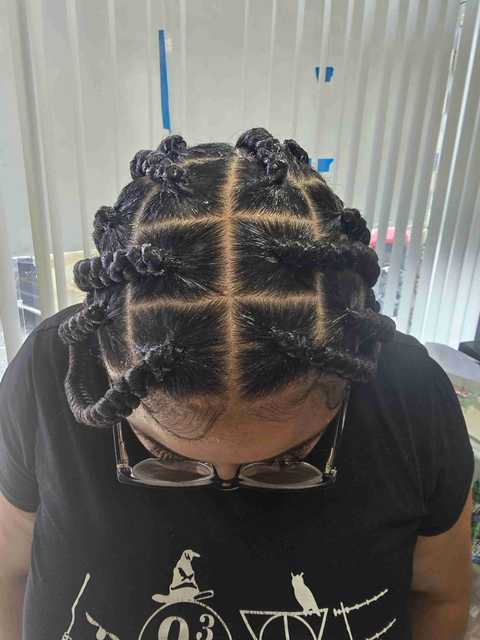
Knotless braids use a feed-in technique instead of starting with a tight knot at the root. In plain language, we build the braid gradually, so the extension hair doesn’t land like a heavy “anchor” right on your scalp. When your edges are thinning, that matters because the hairline has less margin for error.
What we do differently for thinning edges
- We keep the perimeter braids smaller in weight, not heavier “to make it last.” Heavy hair is often what makes edges quit.
- We focus on clean, controlled parting. People come to us for neat work, and that same detail helps us avoid grabbing too much fine hair in the front.
- We check in during the install. A client told us, “My head was not sore or in pain, ” and that’s the standard we aim for. If you feel that tight, pinching pull, we want to know right then so we can adjust.
“My head was not sore or in pain.”
one of our first-time clients
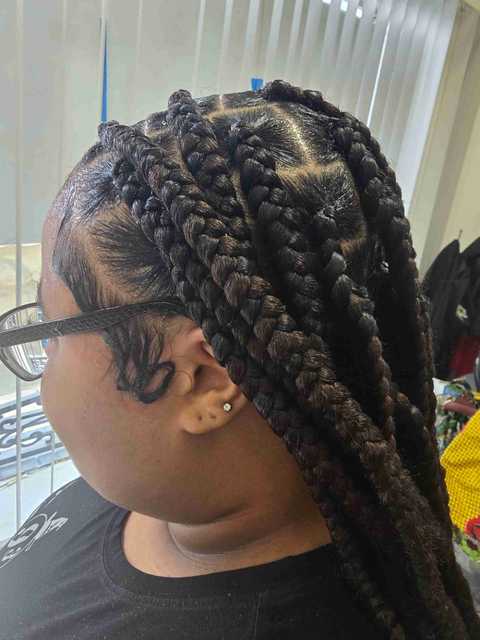
Knotless braids also tend to lay flatter and feel more natural, which is why so many people describe them as lightweight. That “natural and lightweight feel” is exactly what we’re going for at the hairline.
Realistic wear time: knotless braids typically look their best for about 4 to 8 weeks depending on your hair, your sweat level, and how you maintain your scalp. If your edges are thinning, we’d rather plan touch-ups than push one install too long.
And if you’re comparing protective styles, we’ll say this clearly: tape for tape in extensions can look great, but it’s not always the best match for a fragile hairline. Adhesive and removal can be rough on thinning edges if it’s not placed and taken down carefully. If edges are your main concern, knotless braids are often the simpler, gentler option.
Who knotless braids are best for (and when we’ll steer you another way)
Knotless braids tend to be a great fit if your edges are fragile, you’re dealing with postpartum shedding, or you want a protective look that doesn’t leave you feeling “tight” for days. We’ve also had clients come in specifically because they want their thinning edges covered in a way that still looks natural, and our braiders know how to blend that front area without making it bulky.
But we’ll be honest if something you’re requesting is likely to stress your perimeter. Super long, extra-heavy braids can defeat the whole purpose. And if your scalp is irritated or tender, we may recommend waiting or choosing a style that won’t add tension until things calm down.
One more note. If you’ve tried tape in for hair extensions and loved the look, tell us. We can talk through what you liked, then choose a braid size and length that gives you that polished finish without putting pressure on the hairline.
St. Louis humidity care: washing, scalp moisture, and frizz control
A low-tension install is only half the win. Your aftercare is what keeps edges from getting stressed while your braids are in. In St. Louis summers, we like a routine that keeps sweat and product buildup from sitting on your scalp.
Our simple routine most people can stick to
- Clean the scalp gently: use a diluted shampoo or a cleansing foam, then rinse well. Don’t scrub the hairline hard.
- Moisturize without caking: light oils or braid sprays work better than heavy greases at the edges, especially when it’s humid.
- Protect at night: a satin scarf helps with frizz and reduces friction at the perimeter.
If your edges are thinning: skip tight edge gels and hard brushing on a daily basis. A sleek look isn’t worth the pull. We can show you softer ways to lay the front that still look clean.
If you want more style ideas for summer events, take a look at knotless braids benefits for edges and our roundup of braids for St. Louis summer.
Why St. Louis clients trust AFRICAN NUBIAN for neat, low-tension braids
We’ve been braiding hair in St. Louis for 25 years, and we’re still doing this the same way we always have: keep it neat, keep it moving, and don’t get sloppy with the details. People come back because their braids look “extremely neat and fresh, ” and because our shop stays friendly and professional. We also hear a lot of appreciation for being punctual and efficient without rushing the finish.
If you’re in Central West End, Tower Grove, South Grand, or nearby, call us for a quick consultation. Bring a photo of what you want and tell us what your edges have been through, like tight ponytails, sew-ins, tape in hair extensions, or a stressful postpartum season. We’ll talk size, length, and what will actually feel comfortable on your scalp.
Knotless Braids: $220. Ready to talk it through? Reach us at +13143899100 or fatoubambio@gmail.com, or stop by at 7281 Natural Bridge Rd, St. Louis, MO 63121-5045.
More braid inspiration: braid styles for summer events in St. Louis.