Box Braids: Real Timeline (4–10 Weeks) and How to Make Them Last (hair clip hair extensions)
By AFRICAN NUBIAN | August 3, 2026
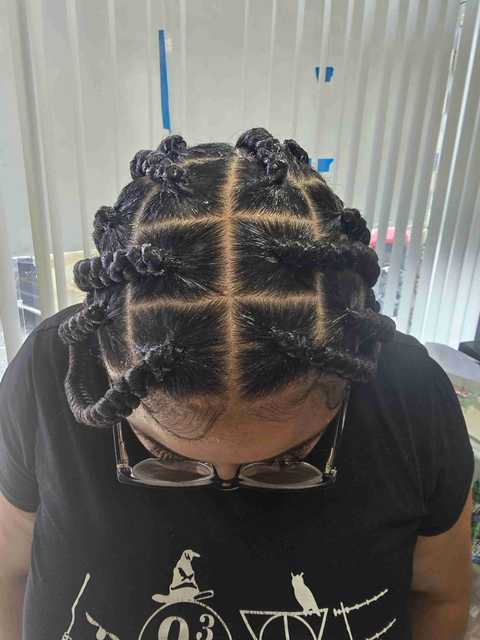
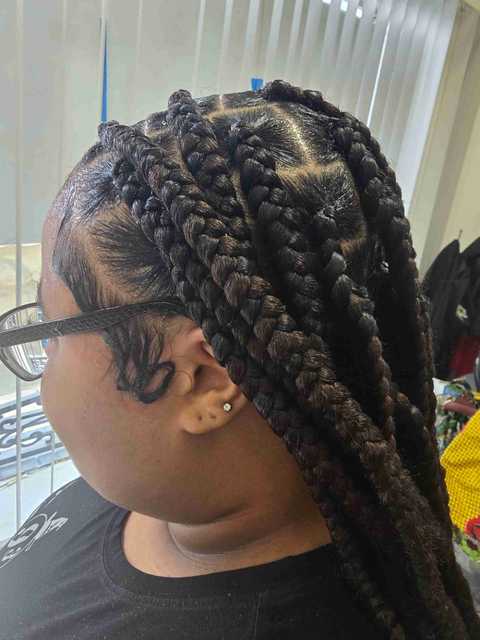
If you want a straight answer: most Box Braids look good for 4–8 weeks. With disciplined upkeep, you can often push them to 8–10+ weeks. We hear “very professional” a lot, and that matters because neat parts, clean sectioning, and the right tension are what make the timeline realistic in the first place.
Box braids are a classic protective style for a reason. They’re meant to look neat and fresh, stay low-maintenance, and carry you through real life. In St. Louis, that “real life” includes humidity, hard-water buildup, and pool days. The good news is you don’t need a 20-step routine. You need the right few habits, done consistently.
The 4–10 week Box Braids timeline (and what changes it)
Here’s the honest timeline we see most often:
Weeks 1–2: The “just installed” look. Parts are crisp, braids are smooth, and your scalp feels clean.
Weeks 3–4: You’ll usually see new growth and a little frizz at the roots. This is the sweet spot for a light edge cleanup if you’re trying to stretch the style.
Weeks 5–8: Still very doable if you’ve been wrapping nightly and keeping product light. This is the “normal” finish line for most people.
Weeks 8–10+: This is the “disciplined maintenance” range. It’s possible, but you have to stay on top of scalp cleansing, tension management, and frizz control.
What changes your timeline most is not luck. It’s tension, moisture balance, and how you handle your scalp. We’re known for being super fast with attention to details, but speed only helps when the foundation is clean and precise. In St. Louis summers, humidity pushes frizz faster, and pool days can leave chlorine or hard-water film that makes braids look dull and feel sticky. That’s why a simple rinse and light cleanse schedule matters here.
Quick reality check: If your scalp gets oily fast, or you work out and sweat often, you’ll need that gentle cleanse every 2–3 weeks to keep braids looking fresh longer.
7 steps we tell our Box Braids clients to follow for 8+ weeks
Longevity starts the day you leave our chair. We keep parts clean and braids neat because that’s what holds up. People come back because the work stays looking “extremely neat and fresh, ” not just on day one.
- Wrap every single night. Satin scarf, bonnet, or a satin pillowcase. This is the biggest frizz reducer you control.
- Moisturize lightly, not heavily. A light braid spray or a small amount of lightweight moisturizer keeps the braids flexible. Heavy creams attract humidity and lint.
- Cleanse your scalp every 2–3 weeks. Use diluted shampoo (in an applicator bottle if you have one) or a gentle co-wash at the scalp. Focus on the roots. Don’t rough up the length.
- Oil your scalp sparingly. A few drops, not a pour. Too much oil turns into buildup fast, and buildup makes braids look old.
- Dry thoroughly after washing. Towel blot, then air dry, then low heat if needed. Leaving braids damp at the root can lead to odor and frizz.
- Plan an edge touch-up around week 3–4. This is where you protect thinning edges and keep the front looking clean without redoing your whole head.
- Speak up about tension. We’ve had people tell us they left with a head that was “not sore or in pain.” That’s the goal. If anything feels too tight during install, let us know right then so we can adjust.
“I called Fatu last minute. She was able to get me in day of... My head was not sore or in pain.”
one of our recent first-time visitors
If you’re deciding on a braid size, remember this: smaller braids can look amazing, but they also show growth sooner. And if you already know you want to stretch your style, tell us before we start so we can help you pick the size and parting that wears well.
Why Box Braids fade early in St. Louis: tension, humidity, and buildup
Most “my braids got old fast” problems come down to a few fixable things:
- Too tight at the roots: tight braids can cause soreness, bumps, and fraying at the base. If it’s tight on day one, it usually won’t get better on its own.
- Heavy products: gels, butters, and thick edge controls can leave residue. Residue collects dust and fuzz, then braids look dull.
- Frequent soaking: swimming and constant wetting can loosen the base and rough up the braid surface. If you’re in the pool a lot, you need a rinse plan.
- Skipping the wrap: humidity plus uncovered braids overnight equals frizz. St. Louis summer air will win that battle every time.
Best fix: keep your routine light and consistent. A little cleanse, a little moisture, and nightly protection beats a drawer full of products.
When to rebook your $220 Box Braids (before they turn into a takedown)
If you want your braids to stay looking like you just left the shop, plan your rebook around what you see at the roots, not the calendar.
Rebook soon if your parts are disappearing, your edges need love, or you’ve got slipping around the hairline.
It’s time to take them down if the roots are matted, your scalp feels itchy even after cleansing, or you’re seeing breakage around the perimeter.
A lot of our regulars have been coming back for years because they like the consistency. One person put it plainly: they’ve been coming since “2010 or so, ” and we “never disappoint and always get you right in and my braids last.” That’s the rhythm we aim for. If you’re not sure what schedule makes sense for your hairline and your lifestyle, we’ll talk it through when you book.
Want ideas before you decide? Check out a few braid style reads that pair well with St. Louis summer weather and your plans.
what to expect from Box Braids (first-time guide)
are Box Braids worth it for your lifestyle?
our summer braids style guide for St. Louis
Ready for a fresh install or a reset? Call us at +13143899100 or email fatoubambio@gmail.com. We’re at 7281 Natural Bridge Rd, St. Louis, MO 63121-5045.