Hair Colorist Take: Thinning Edges? When Box Braids Help and When They Harm
By AFRICAN NUBIAN | July 29, 2026

People tell us, “Love my hair… very professional… I’ll be going back, ” and that matters here because thinning edges aren’t just a style choice, they’re a trust choice. Box braids can protect thinning edges when we keep the install low-tension, keep the braid weight light at the hairline, and set you up with simple aftercare. But tight installs, heavy hair, and leaving braids in too long can absolutely make edges worse. If your edge loss feels active or irritated, we’ll point you to something gentler first. And yes, in St. Louis summer heat and humidity, the details matter even more.
Thinning edges in summer heat: what’s usually behind it
Edges tend to thin for a few common reasons. Most of the time it comes down to tension, friction, and repeat stress right along the hairline. Think tight ponytails, glued-down styles, installs that pull, or constantly brushing and laying edges hard every day.
St. Louis summers add their own issues. Heat and humidity mean sweat at the hairline, more itching, and more rubbing from scarves, hats, and headbands. Then pool season hits and chlorine dries out the hairline fast. If you’re doing festivals, vacations, or just trying to get through the week without fighting your hair, you probably want something low-maintenance that won’t trap sweat and won’t keep you pulling your edges tighter and tighter.
Quick check: If your hairline feels tender, bumpy, or sore after styling, that’s your sign to stop pulling and switch to a gentler plan.
When Box Braids protect your edges (and the exact details that make it safer)
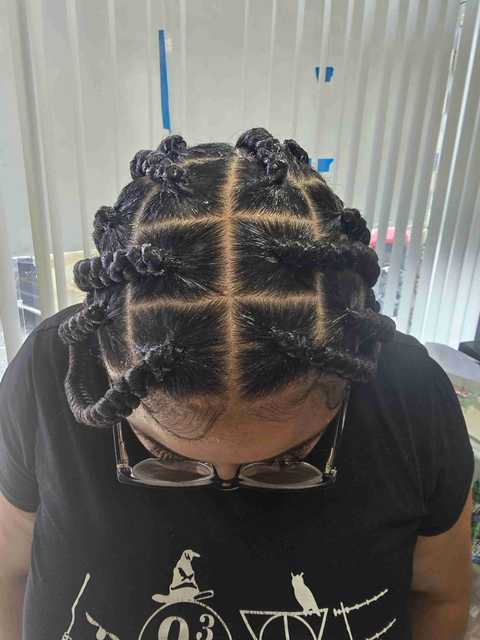
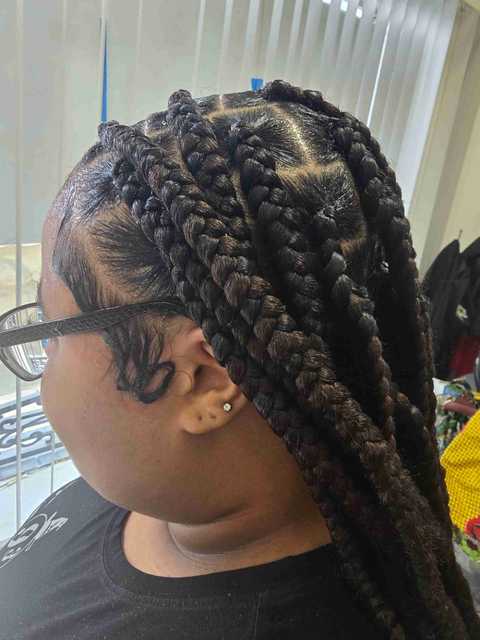
Box braids help thinning edges for one main reason. They cut down daily manipulation. When your hair is braided cleanly, you’re not combing, brushing, slicking, and redoing the hairline every morning. That “hands off” time is where retention usually happens.
But edges only benefit when the install is done with respect for the hairline. Our team pays close attention to:
- Tension: Your head shouldn’t feel sore or tight. One client said, “My head was not sore or in pain, ” and that’s the standard we’re aiming for.
- Weight: Heavy extensions can stress fragile edges. If your hairline is already thin, we keep it lighter, especially around the front.
- Part size near the hairline: Smaller, smarter sections spread the tension out. Clean parts also keep braids looking “extremely neat and fresh, ” which people mention a lot after they leave our chairs.
- Styling choices after install: The braid job can be perfect, then an updo ruins it. If your go-to is a tight high bun every day, we’ll talk about safer ways to wear your braids.
“My head was not sore or in pain.”
one of our recent visitors
Aftercare is the other half of edge protection. We’ll tell you plainly what helps most:
Daily: Light moisture at the hairline, then seal if you need it. Don’t cake heavy grease on the scalp in summer. It tends to trap sweat.
Weekly: Clean your scalp. In St. Louis humidity, buildup and sweat show up fast. A gentle cleanse and dry-down helps itching and friction.
Night: Wrap your braids. A scarf or bonnet cuts down rubbing at the edges, which is a big deal if you’re already thin up front.
When Box Braids harm thinning edges: tight installs, heavy hair, and “just redo the front”
Let’s be honest. Box braids get blamed for edge loss because sometimes they’re installed too tight or maintained in a way that keeps pulling the same fragile area. We’ve even heard feedback like, “Only downside is that they braid really tight.” If you’ve had that experience anywhere, you’re not imagining it, and you don’t need to push through pain.
The biggest risks we watch for are:
- Too much tension at the hairline: Tight braids can cause breakage and traction damage. Soreness is a red flag, not a normal part of “getting braids.”
- Extensions that are too heavy: Long, thick, heavy braids look good, but fragile edges pay the price if the weight isn’t right for your hair.
- Keeping braids in too long: A common safe window is about 4 to 8 weeks. Past that, new growth tangles, buildup sits on the scalp, and takedown can turn into unnecessary shedding.
- Constantly re-braiding the front: Re-doing edges over and over can be worse than taking the style down and giving your hairline a break.
If you leave our chair and anything feels too tight: tell us right away. We’d rather adjust it than have you baby a sore hairline for a week.
Planning to wear braids for a trip or an event? We get it. We’ve had clients come in “just in time for my Jamaica trip, ” and that’s exactly when people are tempted to go tighter so it “lasts.” We’ll focus on neat parts and a clean finish without using pain as the price of longevity.
Is $220 Box Braids the right move for your hairline right now?
Box braids tend to be a great fit if your edges are thinning mostly from daily styling and you want a break. They’re also a solid choice if you care about neatness and clean parts. People regularly call out that our braids are “neat, uniform, ” and “beautifully done, ” and that matters because messy installs can snag and frizz faster, which turns into more touching and more stress at the hairline.
You might want a different plan if your edges are actively irritated, very fragile from recent chemical work, or you know you’ll be doing tight updos every day. In those cases, we’ll talk through gentler options like low-tension knotless braids, a wig that doesn’t pull the hairline, or protective styles that keep the perimeter calmer.
If you’ve got curly hair: let us know how you normally wear it and how you detangle. A good curly hair dresser mindset helps us protect your hairline during prep and takedown, not just on install day.
Why St. Louis clients keep trusting our hands with their edges
We’ve been doing this work in St. Louis for 25 years, and you don’t stay open that long by ignoring tension, rushing through parts, or acting like soreness is normal. People come back because the team is friendly, professional, and consistent. We hear “fast and really neat service, ” “clean parts, ” and “it felt like home” a lot, and we take that seriously.
“I’ve been coming here since 2010 or so they never disappoint and always get you right in and my braids last”
one of our regulars
If thinning edges are on your mind, let’s do a quick consult before we commit to a size and length. Bring a photo of what you want. We’ll look at your hairline, talk tension and maintenance, and give you an honest recommendation.
Ready to talk it through? Call us or email us and tell us two things: how your edges have been behaving lately, and how long you want to wear the style.
AFRICAN NUBIAN | 7281 Natural Bridge Rd, St. Louis, MO 63121-5045 | +13143899100 | fatoubambio@gmail.com
If you’re comparing styles for the season, you can also read our ultimate guide to braids for St. Louis summer, see what to expect for your first box braids appointment, or decide if box braids are worth it for your lifestyle.